What is bacteriophage therapy
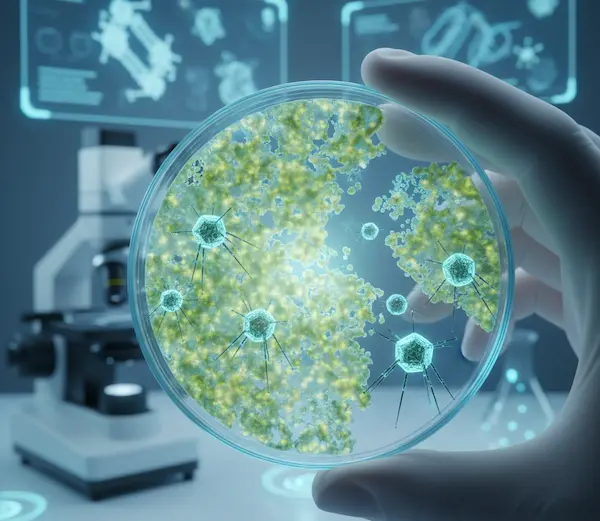
At its most fundamental level, bacteriophage therapy uses nature's own bacterial predators to cure infections. These predators are viruses known as bacteriophages, or simply "phages," and they represent the most abundant biological entity on Earth. They are everywhere, in the soil we walk on, the water we drink, and even within our own bodies as part of our microbiome. For billions of years, they have evolved for a singular purpose - to hunt, infect, and destroy bacteria. It's crucial to understand that unlike the viruses that cause human diseases like the flu or COVID-19, phages are completely harmless to humans, animals, and plants. Their anatomy is designed to target bacterial cells exclusively. Think of them not as crude bombs, but as highly sophisticated guided missiles, each programmed to recognize and eliminate a very specific bacterial enemy, a mechanism that makes them the perfect tool for precision warfare against pathogens without the devastating collateral damage caused by broad-spectrum antibiotics.
The history of a forgotten cure
Phage therapy is far from a modern breakthrough; it is a rediscovery of profound historical significance. Its origins trace back to the early 20th century, with foundational work conducted by scientists like the French-Canadian microbiologist Félix d'Hérelle. In the years before penicillin was discovered, phage therapy was a beacon of hope for treating diseases like dysentery and cholera. However, the subsequent "golden age of antibiotics" in the Western world, beginning with the mass production of penicillin in the 1940s, quickly eclipsed this promising field. Antibiotics were cheap to produce, easy to standardize, and highly profitable to patent, pushing phage research to the fringes. Yet, behind the Iron Curtain, the story was different. In countries like Georgia and Poland, particularly at the world-renowned Hirszfeld Institute in Wrocław, research never stopped. For decades, these institutions continued to refine and successfully apply phage therapy, building vast libraries of phages and treating thousands of patients with infections deemed hopeless by Western medicine. This historical divergence is why, as the West now grapples with the fallout of antibiotic overuse, it is looking to the East to relearn the science it abandoned.
How phage therapy works in practice
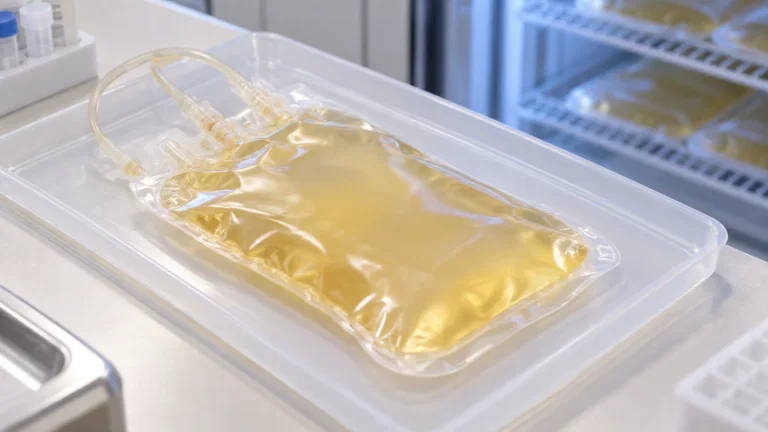
The application of phage therapy is the epitome of personalized medicine. The journey begins when a patient, often suffering from a chronic or antibiotic-resistant infection, has a bacterial sample collected from the site of infection. This sample is sent to a specialized laboratory where the exact pathogenic strain is isolated and cultured. This is where the true artistry of the therapy begins. Scientists screen the pathogen against a vast collection, or "library," of therapeutic phages to find a perfect match, the specific phage or, more commonly, a "cocktail" of several phages that are most effective at killing that patient's unique bacterial strain. Using a cocktail is a key strategy to prevent the bacteria from developing resistance. Once the ideal phage prescription is prepared, it is administered to the patient, which can be done orally, topically onto a wound, or intravenously for systemic infections. The phages then navigate to the site of infection, and upon finding their target, they replicate rapidly, destroying the bacterial population in a self-perpetuating cycle that ceases only when their food source the harmful bacteria, is gone. This elegant mechanism ensures the treatment is both potent and self-limiting, as it leaves the body's beneficial microbiome entirely unharmed.
Key advantages over traditional antibiotics
In the escalating war against superbugs, phage therapy holds several decisive advantages that make it an indispensable tool for 21st-century medicine.
- pinpoint specificity - unlike broad-spectrum antibiotics that wipe out both good and bad bacteria, leading to secondary infections like C. difficile, phages attack only their designated target. This preserves the delicate balance of the gut microbiome, which is crucial for immune function and overall health,
- an evolving power - bacteria can develop resistance to phages, but phages co-evolve right alongside them. This creates a dynamic, natural arms race where new phages can be isolated from nature or existing ones can be adapted in the lab to overcome bacterial defenses, offering a truly sustainable therapeutic model,
- excellent safety profile - as phages are a natural part of our environment and bodies, they are recognized as incredibly safe. The incidence of side effects is extremely low, a stark contrast to the often significant side effects associated with powerful antibiotics,
- effectiveness against biofilms - many chronic infections are caused by bacteria forming protective slimy layers called biofilms, which are notoriously impenetrable to antibiotics. Phages have demonstrated a unique ability to produce enzymes that can break down these biofilm matrices, attacking the infection at its core.
Regulatory hurdles and the path forward
Despite its long history of success in certain parts of the world and its clear advantages, phage therapy faces significant challenges to widespread adoption in the US and Western Europe. The primary obstacle is regulatory. Western medical agencies, like the FDA, have frameworks built for static, predictable chemical compounds. A living, evolving therapy does not fit into this rigid regulatory model. Questions about standardizing dosage, ensuring manufacturing consistency for a biological agent, and the difficulty of patenting a naturally occurring virus have created major economic disincentives for large pharmaceutical companies to invest in the necessary large-scale clinical trials.
However, the tide is slowly but surely turning. The sheer desperation of the antibiotic resistance crisis is forcing a change in perspective. An increasing number of compassionate use cases where phage therapy is approved as a last resort for terminally ill patients are yielding miraculous results and providing powerful anecdotal evidence. Research is accelerating, with scientists exploring genetic engineering to create "super-phages" and using phage-derived enzymes as standalone drugs. For the countless patients trapped in a battle with untreatable infections, this forgotten cure represents the dawn of a new and desperately needed era of personalized medicine.